Virtue
I think vital religion has always suffered when orthodoxy is more regarded than virtue. The scriptures assure me that at the last day we shall not be examined on what we thought but what we did.
~Benjamin Franklin
1. “TEMPERANCE. Eat not to dullness; drink not to elevation.”
2. “SILENCE. Speak not but what may benefit others or yourself; avoid trifling conversation.”
3. “ORDER. Let all your things have their places; let each part of your business have its time.”
4. “RESOLUTION. Resolve to perform what you ought; perform without fail what you resolve.”
5. “FRUGALITY. Make no expense but to do good to others or yourself; i.e., waste nothing.”
6. “INDUSTRY. Lose no time; be always employ’d in something useful; cut off all unnecessary actions.”
7. “SINCERITY. Use no hurtful deceit; think innocently and justly, and, if you speak, speak accordingly.”
8. “JUSTICE. Wrong none by doing injuries, or omitting the benefits that are your duty.”
9. “MODERATION. Avoid extremes; forbear resenting injuries so much as you think they deserve.”
10. “CLEANLINESS. Tolerate no uncleanliness in body, cloaths, or habitation.”
11. “TRANQUILLITY. Be not disturbed at trifles, or at accidents common or unavoidable.”
12. “CHASTITY. Rarely use venery but for health or offspring, never to dullness, weakness, or the injury of your own or another’s peace or reputation.”
13. “HUMILITY. Imitate Jesus and Socrates.”
-
The Virtue of Tranquility: How Franklin’s Eleventh Principle Builds Composure Under Pressure

Franklin’s eleventh virtue calls for disciplined calm amid life’s noise. Tranquility isn’t escape—it’s strength under control. Through composure, restraint, faith, and endurance, we learn to stay steady when others rush. True peace is not the absence of trouble but mastery of self within it. Continue reading
-
Sunday Evening Collective ~ November 2nd Edition

This week’s Sunday Evening Collective turns toward gratitude — not as sentiment, but as strength. The Grace of Enough invites a slower look at the ordinary, where grace is already present and gratitude opens our eyes to see it. Enough isn’t about settling; it’s about seeing clearly what’s been given. Continue reading
-
The Virtue of Cleanliness: How Franklin’s Tenth Principle Unites Outer Order and Inner Life

Cleanliness is more than tidiness; it is care made visible. Order in our spaces, thoughts, and relationships creates room for clarity, gratitude, and peace. When we tend what we’ve been given—body, mind, and spirit—we honor the life entrusted to us and invite stillness to dwell within it. Continue reading
-
Sunday Evening Collective ~ October 26th Edition
This week’s Sunday Evening Collective explores the quiet strength of readiness. “The Practice of Preparation” invites you to align effort with purpose through rest, movement, and intentional rhythm — because what you prepare in private becomes your power in public. Continue reading
-
The Virtue of Moderation: How Franklin’s Ninth Principle Builds Emotional Self-Command

Moderation is not restraint but rhythm—the art of proportion that steadies emotion, action, and desire. Franklin saw it as self-command: the freedom found in balance. This week’s reflection explores how composure, forgiveness, and gratitude anchor the soul amid the noise of excess. Continue reading
-
Sunday Evening Collective ~ October 19th Edition
This week’s Sunday Evening Collective, “The Beginner’s Path,” explores the humility and wonder of starting over. When we let go of mastery and return to curiosity, life becomes alive again. The world opens, not because it changes, but because we do. Continue reading
-
Justice vs. Fairness | The Lost Virtue of Rightness
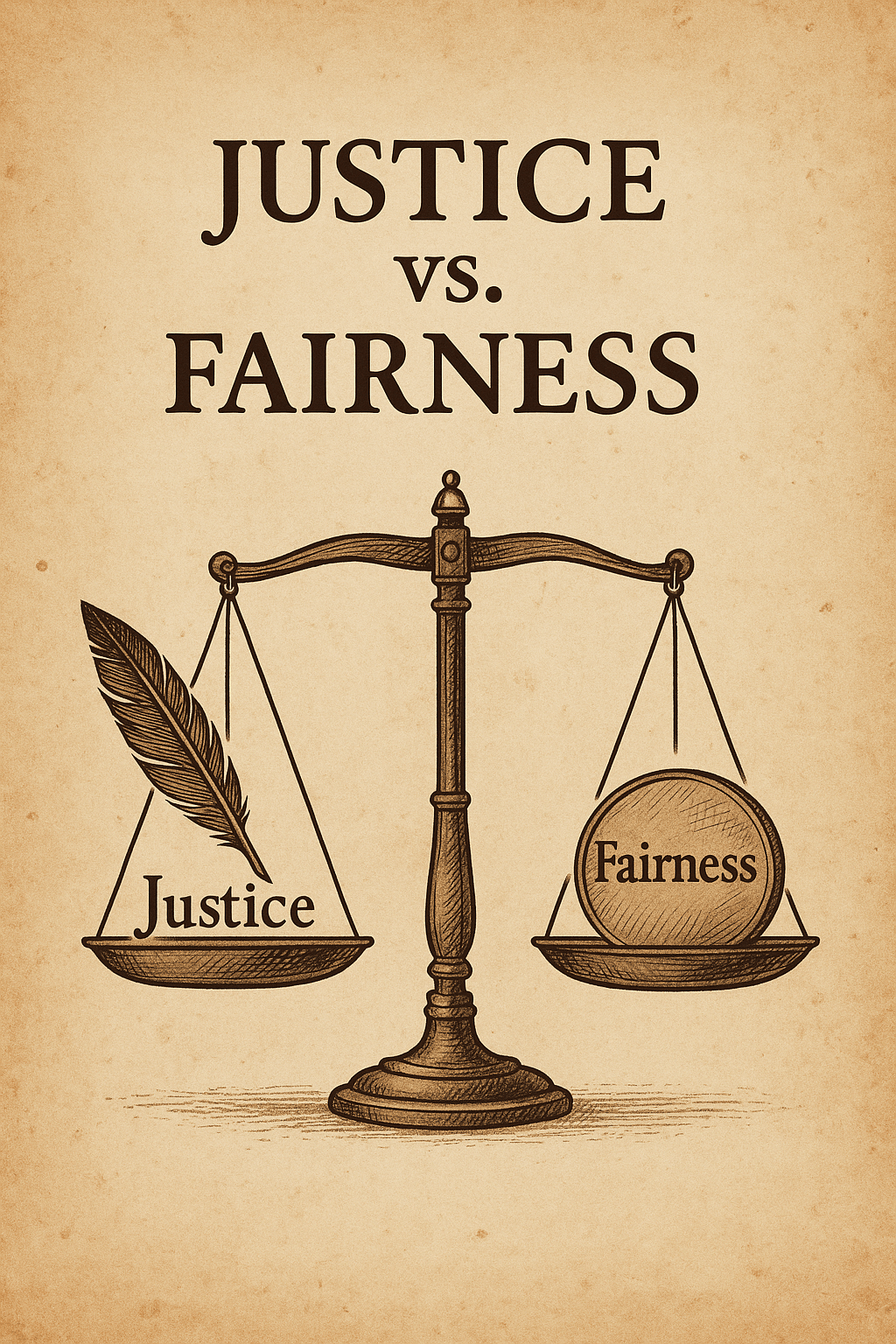
Modern culture has replaced justice with fairness, mistaking equality for virtue. Fairness belongs to systems; justice to souls. When moral order shifts from conscience to bureaucracy, compassion becomes control. As C.S. Lewis warned, a society without objective truth loses both freedom and virtue. Franklin’s justice remains liberty’s safeguard. Continue reading
-
The Virtue of Justice: How Franklin’s Eighth Principle Builds Moral Responsibility

Justice is more than the absence of harm; it is the active pursuit of what is right. Franklin’s virtue calls for proportion, not equality—truth joined with mercy, courage shaped by humility, and goodness extended both outward and inward. To live justly is to restore right order, one act at a time. Continue reading

Advent Adventure Agency Albums Andrew Huberman Apostle James Apostle Paul Aristotle Art of Manliness Benjamin Franklin Books Breathing C.S. Lewis Challenges Character Christianity Christmas Courage Creativity Culture Desert Island Music Discipline Emerson Epictetus Failure Faith Focus Frederick Buechner G.K. Chesterton Goals God Goethe Goodreads Gratitude Habit Hammock Health & Fitness History Honor Hope Humility Industry Interviews J.R.R. Tolkien Jack London James Clear Jesus John Eldredge John Mark Comer Justice Kipling Laird Hamilton Leadership Love Manliness Marcus Aurelius Mark Twain Mental Toughness Mindfulness Money Music Music 80’s Music 1980 Music 1981 Music 1987 Non-fiction Oliver Wendell Holmes Order Orison Swett Marden Oswald Chambers Peace Personal Development Prophet Isaiah Quotes Recovery Resolution Resurrection Band Rick Rubin Routines & Rituals Saint Augustine Saint Thomas Aquinas Self-Reliance Seneca Silence Spiritual Formation T. S. Elliot Temperance The Choir Theodore Roosevelt The Police Thomas A Kempis Thoreau Tim Ferriss Training U2 Virtue Willpower Winston Churchill WODs Writers
 Chase The Kangaroo