From Nicomachean Ethics, c. 350 B.C.
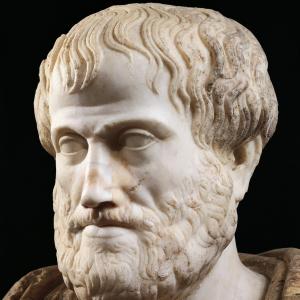
By Aristotle
 We do not labor that we may be idle; but, as Anarchis justly said, we are idle that we may labor with more effect; that is, we have recourse to sports and amusements as refreshing cordials after contentious exertions, that, having reposed in such diversions for a while, we may recommence our labors with increased vigor. The weakness of human nature requires frequent remissions of energy; but these rests and pauses are only the better to prepare us for enjoying the pleasures of activity. The amusements of life, therefore, are but preludes to its buiness, the place of which they cannot possibly supply; and its happiness, because its business, consists in the exercise of those virtuous energies which constitute the worth and diginity of our nature. Inferior pleasures may be enjoyed by the fool and the slave as completely as by the hero or the sage. But who will ascribe the happiness of a man to him, who by his character and condition, is disqualified for manly pursuits?


 Chase The Kangaroo
Leave a comment